.svg)

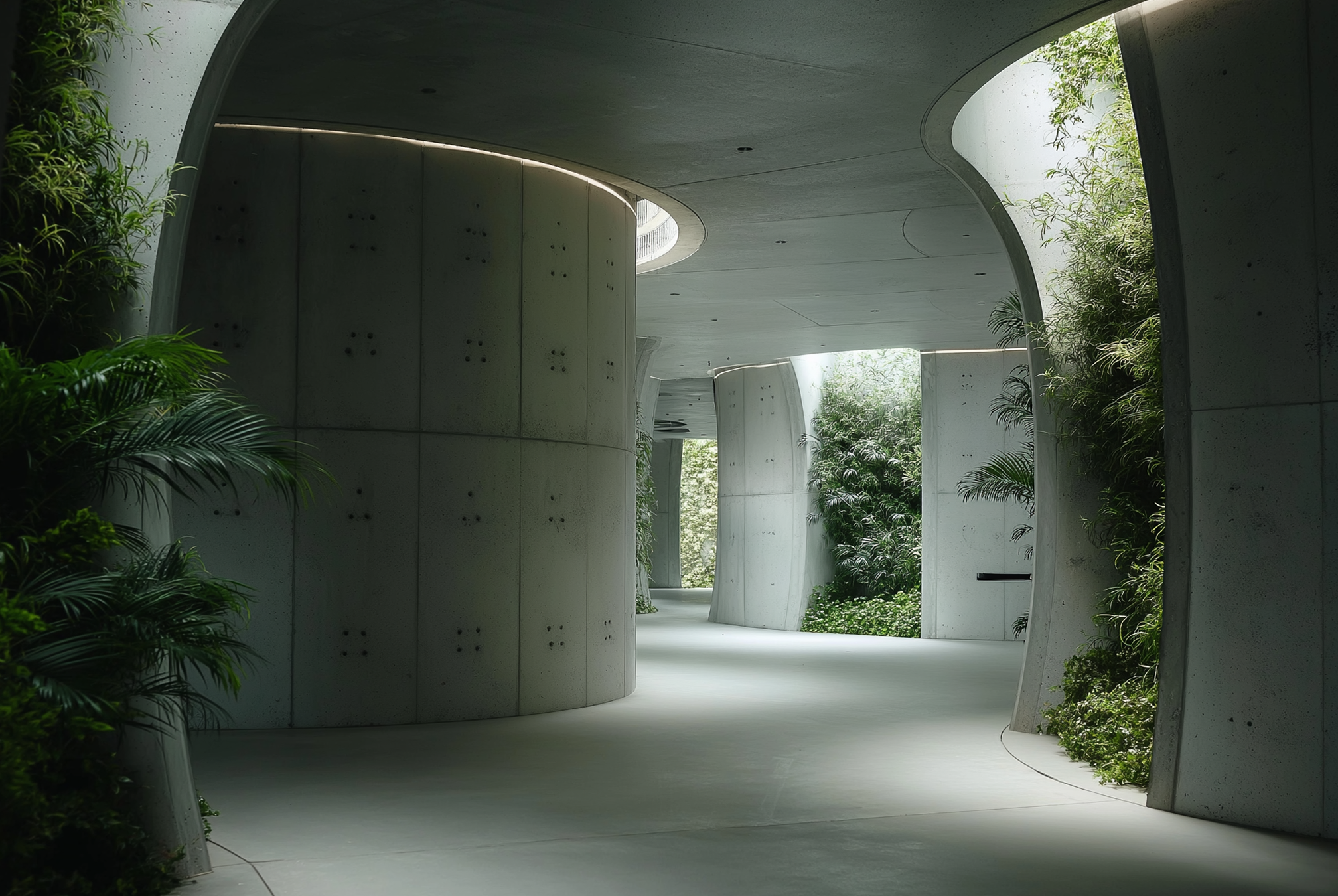
SkyGarden Rooftop transforms an underused commercial roof into a shared green space that supports ecological performance and community use.
In a dense commercial district with limited access to ground-level green spaces, the rooftop presented an opportunity to reintroduce nature into the everyday urban experience. The intent was not to create a decorative garden, but a functional space that delivers measurable environmental benefits while remaining accessible and engaging for building users.
In a dense commercial district with limited access to ground-level green spaces, the rooftop presented an opportunity to reintroduce nature into the everyday urban experience. The intent was not to create a decorative garden, but a functional space that delivers measurable environmental benefits while remaining accessible and engaging for building users.
Ecological Design Strategy
Vegetation was strategically distributed across the rooftop to reduce solar heat gain and lower surface temperatures. Plant selection focused on resilient, low-maintenance species suited to rooftop conditions, providing shade and contributing to improved microclimate performance.
Vegetation was strategically distributed across the rooftop to reduce solar heat gain and lower surface temperatures. Plant selection focused on resilient, low-maintenance species suited to rooftop conditions, providing shade and contributing to improved microclimate performance.

Community & Urban Farming Integration
Beyond environmental performance, SkyGarden Rooftop was designed as a shared social space. Urban farming plots allow building occupants to participate in small-scale food production, encouraging regular use and a sense of collective ownership. Seating areas and circulation paths were arranged to support informal gatherings, breaks, and community interaction.
Vegetation was strategically distributed across the rooftop to reduce solar heat gain and lower surface temperatures. Plant selection focused on resilient, low-maintenance species suited to rooftop conditions, providing shade and contributing to improved microclimate performance.
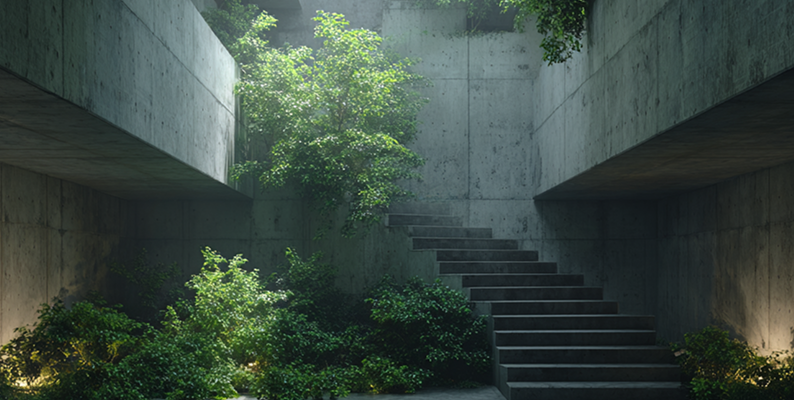
SkyGarden Rooftop demonstrates how rooftops can move beyond technical surfaces to become productive, community-oriented landscapes. By combining climate-responsive design with shared use, the project shows how green spaces can be layered into existing buildings to improve environmental performance and urban livability.
Every project is an opportunity to reduce impact and improve everyday life. Continue exploring to see how sustainability principles are translated into practical, scalable design solutions.
.svg)